USB-C Chargers That Can Simplify a One-Bag Tech Kit
One charger for a laptop, phone, tablet, and earbuds—without fighting for the fastest port.
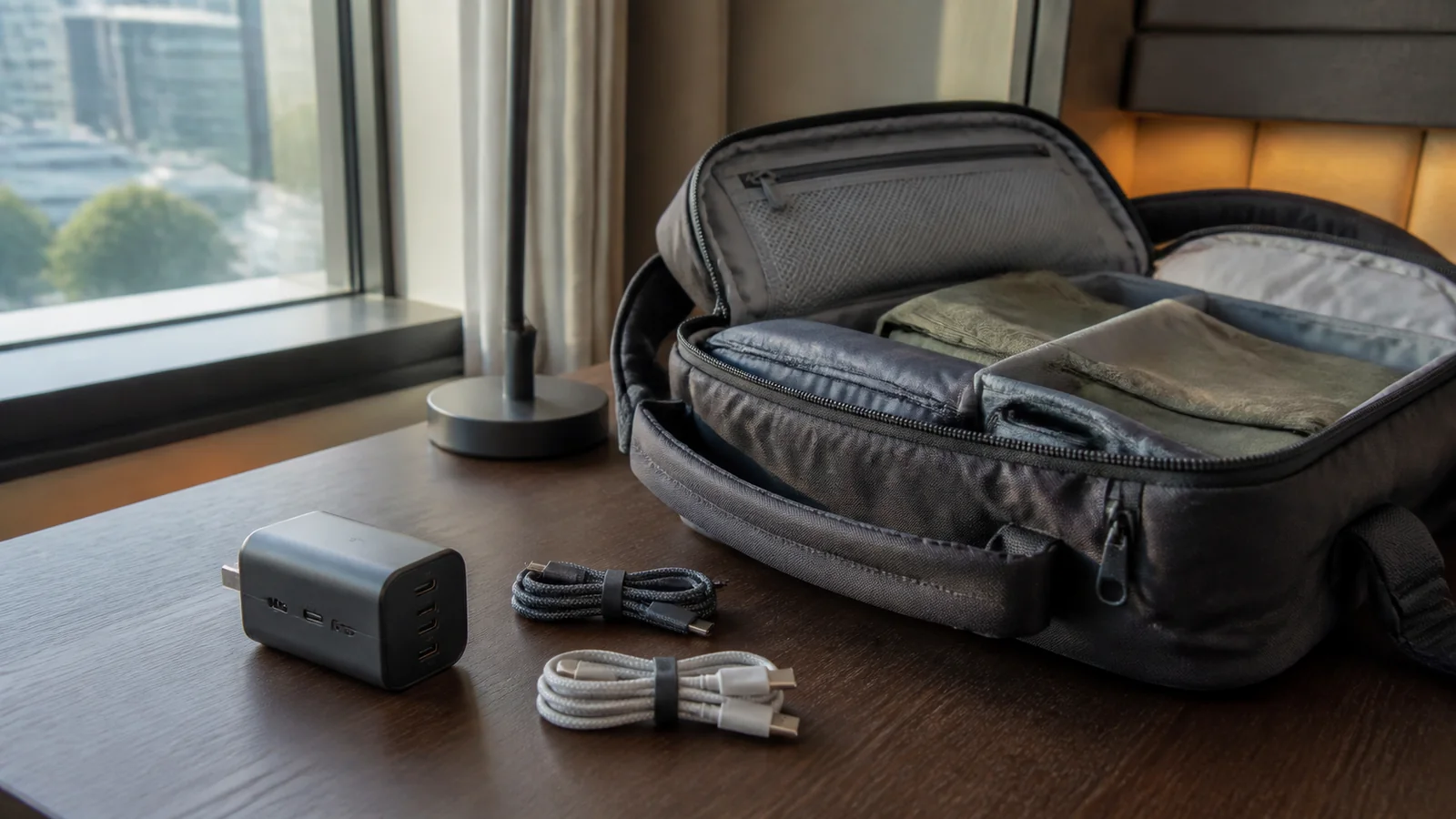
A weekend bag already holds a laptop, phone, earbuds, and camera, but the original power bricks consume an entire pocket. That is the useful starting point for this guide—not an idealized showroom and not a list of features considered in isolation.
For travelers and hybrid workers, the central decision is to buy around simultaneous output and port behavior rather than the largest wattage printed on the box. This approach narrows a crowded market quickly and helps prevent spending extra on capabilities that will remain untouched after the first week.
Start with the routine
Picture the product on an ordinary Tuesday. Think about who sets it up, where it lives, how often it moves, and what happens when someone is tired or in a hurry. Products that require a perfect routine tend to become clutter. Products with clear controls and forgiving maintenance tend to stay useful.
Four things worth paying for
1. Clearly documented per-port output
Look for this in the published specifications, owner documentation, and return policy. Then connect it to a task you perform regularly. If the feature does not improve that task, it should not move the product higher on your shortlist.
2. Enough total power for all devices
Look for this in the published specifications, owner documentation, and return policy. Then connect it to a task you perform regularly. If the feature does not improve that task, it should not move the product higher on your shortlist.
3. Folding or compact prongs
Look for this in the published specifications, owner documentation, and return policy. Then connect it to a task you perform regularly. If the feature does not improve that task, it should not move the product higher on your shortlist.
4. Certified cables matched to wattage
Look for this in the published specifications, owner documentation, and return policy. Then connect it to a task you perform regularly. If the feature does not improve that task, it should not move the product higher on your shortlist.
The tradeoff to understand
Tiny high-output chargers run warmer, and plugging in a second device may briefly renegotiate power. Neither side is universally better. The right choice is the one whose limitation is least likely to interrupt your normal day.
How to compare a shortlist
Reduce the category to three options: a sensible baseline, a balanced middle choice, and one premium model. Confirm physical dimensions and compatibility first. Compare warranty coverage, replacement parts or consumables, return costs, and the controls you will use every day. Ignore small specification differences unless they solve a specific problem in your scenario.
Prices change frequently, so we avoid treating a temporary sale as a permanent product advantage. Check the current price only after you know which model meets the non-negotiable requirements.
Check current options ↗Before you buy
- Confirm clearly documented per-port output in the current product documentation.
- Confirm enough total power for all devices in the current product documentation.
- Confirm folding or compact prongs in the current product documentation.
- Confirm certified cables matched to wattage in the current product documentation.
- Measure the installation, storage, or carrying space.
- Read the current warranty and retailer return terms.
Frequently asked questions
What should I decide before shopping for usb-c chargers that can simplify a one-bag tech kit?
Buy around simultaneous output and port behavior rather than the largest wattage printed on the box. Start with the constraints of your room and routine, then set a budget that includes the accessories required for normal use.
Is the most expensive option usually the safest choice?
No. Premium models often improve materials, convenience, or edge-case performance. For travelers and hybrid workers, the better value is usually the least expensive option that handles the important routine without adding a frustrating compromise.
How should I use online reviews?
Use several reviews to look for repeated patterns, then verify dimensions, compatibility, included accessories, and warranty terms with the manufacturer or retailer. A reviewer's room and priorities may be different from yours.
A good purchase should make the routine quieter, quicker, or more reliable. If the upgrade cannot do that in a way you can describe, waiting is often the better buying decision.